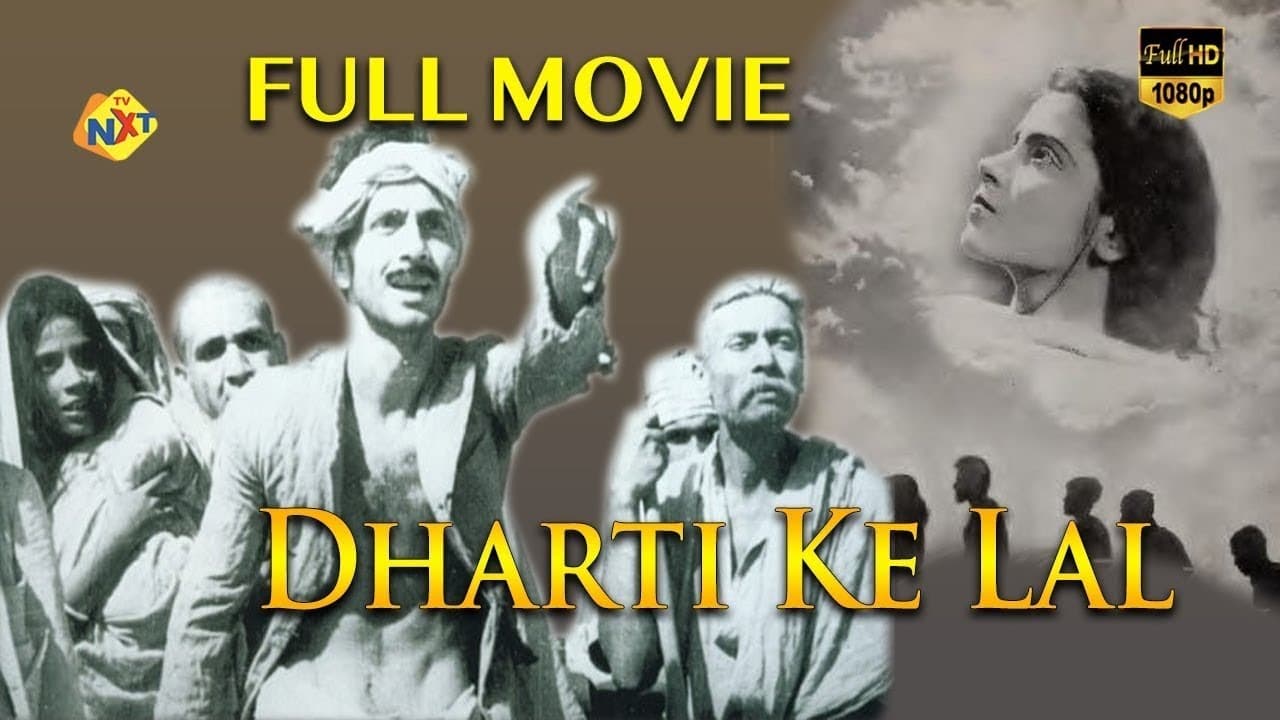
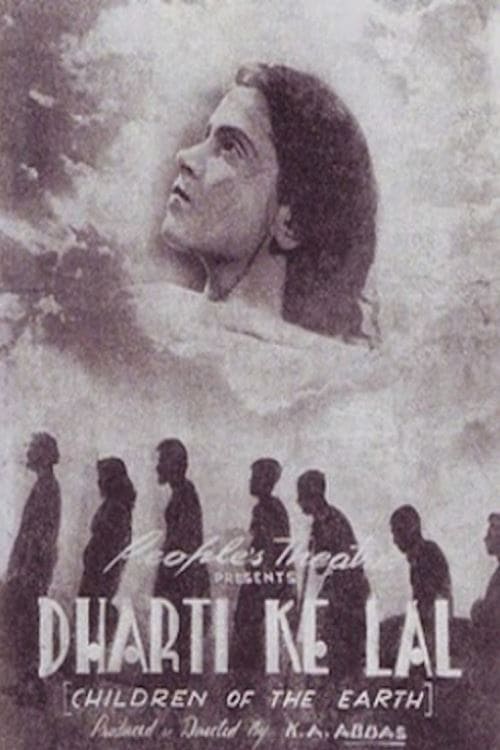
Dharti Ke Lal
Synopsis
Based on plays by Bhattacharya and the story Annadata by Krishan Chander. A film about the famine that swept through Indian villages in the final years of the war for independence. After natural disasters (floods and droughts), villagers seek refuge in the city.
Genre: Drama, History
Status: Released
Director: Khwaja Ahmad Abbas
StreamPilot helps you discover where to watch movies legally. Free streaming availability may vary by title and region.
Main Cast

Balraj Sahni
Niranjan, the eldest son of Samaddar
Damayanti Sahni
Binodini, wife of Niranjan
Anwar Mirza
Ramu, the youngest son of Samaddar
Tripti Bhaduri
Radhika, wife of Ramu
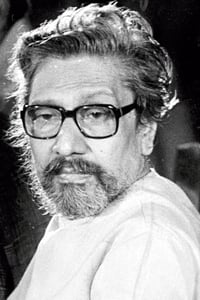
Sombhu Mitra
Самаддар
Usha Dutta
Samaddar's wife
Rashid Ahmed
teacher
Hameed Butt

Zohra Sehgal
User Reviews
THE-LENS
# *Dharti Ke Lal* (1946) **Director:** Khwaja Ahmad Abbas **Languages:** Hindi, Urdu **Initial Release:** 1946 **Screenplay:** Khwaja Ahmad Abbas, Bijon Bhattacharya, Krishan Chander **Story:** Bijon Bhattacharya, Krishan Chander **Music:** Ravi Shankar **Starring:** Balraj Sahni, Tripti Mitra, Sombhu Mitra **Review by Dr Usman Latif Khawaja** K. A. Abbas was a true intellectual, and his maiden movie is ample evidence of that. His ideology of a social framework in colonial India, particularly the divide between the urban and rural worlds, remains as cohesive and contemporary as it was in 1946. The film presents a privileged class preying like jackals upon the carcasses of the perished in a poignantly painted picture of a man-made famine, which was a true holocaust in itself. The simple story of a peasant family displaced from their farm by a conniving feudal system and forced to migrate to the squalor of Calcutta, or face self-destruction, is narrated through powerfully brutal imagery designed as a work of neo-realistic art. The woes of a single family are echoed in the fate of thousands of others who fell victim to the same misfortune. The sequences of starving children competing with street dogs for scraps of food thrown into the trash are harrowing, as are the scenes of women reduced to begging and offering their skeletal bodies in exchange for a handful of rice. The vision is revolutionary and deliberately meant to provoke. The script shows skeletal human forms starving to death without intervention, even in front of shops stacked with food. This is in sharp contrast to Satyajit Ray's stark and poetic vision of the same event in *Ashani Sanket* (1973), which was more of an observation of the calamity. Abbas expresses his ideas about social deprivation through the morose milieu of a hideous event created by individuals acting as a collective, in an organised manner. The film provokes human emotions to rebel against the avoidable tyranny imposed upon the helpless. The human conscience is assaulted here, and Abbas reaches the cerebral subconscious through his creation. This is a great tribute to his sincere passion and commitment. That this is simple art which has achieved the highest form of human appreciation through its truthful depiction is, indeed, an artistic miracle. This, of course, led to his creating the reactionary classic *Naxalites* (1980), which can almost be seen as a non-conventional sequel, where the consequences of such disasters are revealed as the victims turn back upon the predators. The film is carried by a cast that lives rather than merely acts its roles. They portray a disintegrating and starving family forced to make a choice: whether they will simply fade away or fight back. Both possibilities are powerfully described. I was shocked to see that this venture was made as early as 1946. It was clearly intended to arouse the human conscience and provoke a reaction against man's cruelty towards the less privileged sections of humanity. This artistic gem delivers that vision completely, culminating in a chilling climax and an arousing denouement that is both neo-realistic and, in its own right, a deeply heart-rending emotional drama.

Find available legal streaming services, including free options when available in your region.